
Casinos That Accept Litecoin in Australia: The Offshore-Only Reality of 2026
Every litecoin casino accepting Australian players operates outside Australia. There is no such thing as a licensed Australian online casino — the Interactive Gambling Act 2001 prohibits providing one, and the 2024 ban on crypto as a payment method for licensed wagering closed the last loophole that might have let a domestic operator accept LTC. What an Australian punter calling this market a “casino” actually finds is a roster of offshore brands licensed in places like Curacao and Anjouan, none of them accountable to the ACMA, none of them covered by BetStop, none of them offering the consumer protections an Australian player at a licensed Australian bookmaker takes for granted. The crypto angle doesn’t change that fact — it deepens it.
The value of this page is that it names the trade plainly. Litecoin does deliver something a bank transfer cannot: deposits confirm in minutes, withdrawals land in under half an hour for a fraction of a cent in fees, and a handful of operators let you start playing without ever uploading a passport. That is a real proposition, and the AU market’s offshore litecoin players know why they’re depositing that way. The downsides are equally real: the ACMA can direct an Australian ISP to block any of these sites at any time, and if the site refuses your withdrawal or voids your winnings, the Australian government cannot help you recover a cent. This page covers both halves — what’s genuinely good about litecoin casino play from Australia in 2026, and what every Australian punter should know before they wire LTC to a brand nobody in this country regulates.
Last updated 29 October 2026 · Licence data cross-checked against the ACMA register and operator terms pages where available; specific promotional details verified against the operator’s own published terms.
Table of Contents
- What a Litecoin Casino Actually Means for Australian Players in 2026
- How Fast Your Litecoin Deposit Lands — and What Slows a Withdrawal Down
- What Counts as Private: The Real Limits of Crypto Casino Anonymity
- The Litecoin Casinos Australians Are Actually Using in 2026
- Pokies You Can Play With Litecoin — and the RTP Figures That Matter
- Live Dealer Tables That Take Litecoin: Blackjack, Roulette and Beyond
- Litecoin Casinos on Your Phone: What Mobile Play Actually Delivers
- New Litecoin Casinos Worth a Look in 2026
- The Offshore Reality: What Australian Law Actually Says About Litecoin Casinos
- Playing Safe When the Safety Net Is Offshore: Responsible Gambling for Litecoin Players
- How We Selected and Ranked the Litecoin Casinos on This Page
- Should You Play at a Litecoin Casino From Australia? The Honest Verdict
- Frequently Asked Questions
What a Litecoin Casino Actually Means for Australian Players in 2026
The label “litecoin casino” attaches to any online casino that accepts LTC as a deposit and withdrawal method. The marketing around the term implies a category with its own rules — speed, anonymity, provably fair games — but the operational truth is simpler: most of them are generalist offshore casinos that added LTC to a cashier that already accepts Bitcoin, Ethereum and a handful of stablecoins.
Three features genuinely distinguish a litecoin casino from a fiat one, and all three flow from the underlying chain. Litecoin’s block time sits at roughly 2.5 minutes against Bitcoin’s 10, which cuts deposit confirmation from half an hour to a few minutes. The transaction fee is so small it barely registers unless you’re moving institutional money. And because LTC settles pseudonymously to a wallet address rather than to an account in your name, an operator that doesn’t require proof of identity at signup never sees it — at least at first. The promise holds until the operator asks for ID, and offshore casino AML policies have thresholds where they eventually do.
The “Australian” qualifier in the search term is where the picture gets uncomfortable. No Australian online casino can accept LTC, and no Australian online casino can accept any crypto at all — the Interactive Gambling Amendment (Credit and Other Measures) Act 2023 banned digital currency as a payment method for licensed online wagering from 11 June 2024. The game products the search implies are looking for — online pokies, blackjack, roulette, live dealer tables — are also prohibited for Australian-licensed operators to provide under the IGA itself. The combination means an Aussie punter searching for “casinos that accept litecoin Australia” is searching by definition for an offshore operator, and the page that pretends otherwise is misleading its reader.
Real-Money Play With Litecoin: How It Actually Works
A litecoin casino session starts in the cashier section after registration. The player pastes a deposit address or scans a QR code from a Litecoin wallet — most Australian players use a wallet they’ve funded through a local exchange, though exchange-side KYC is now standard at the major Australian platforms. They enter an amount in LTC (RocketPlay takes a minimum of 0.315 LTC, Lucky Block accepts as little as 0.01 LTC), and the casino credits their balance once the transaction reaches a depth of confirmation the operator considers settled — typically one to three blocks, around 2.5 to 7.5 minutes.
What the player sees next looks identical to a fiat online casino: a balance in fiat value (the casino converts LTC to a display currency), a lobby of pokies and table games, and a wagering multiplier attached to any active bonus. The real money sits in the games’ return-to-player percentages, where the house edge takes its cut on every spin. A player pressing spin on a 96.5% RTP pokie burns A$0.035 per A$1 wagered in expected value — that is the house’s long-run take, baked into the game’s mathematics rather than charged per round.
When the session ends, withdrawal reverses the path. The player requests a payout to their LTC wallet, the casino’s payment team reviews the request (faster at the operators with a small backlog, slower at the ones that have grown faster than their payments team), and once approved the LTC hits the chain. The 2.5-minute block time then sets the floor on arrival — withdrawals in published testing at WestAce landed in 18 minutes for A$0.08 in network fees, with most of the wall clock being casino-side processing rather than chain confirmation.
Trusted Litecoin Casinos: What the Label Actually Signals
“Trusted” is doing heavy work in any litecoin casino listing. Without an Australian regulator to back the claim, the signals an offshore casino can offer are substitutes: the licence under which it operates, the testing lab that has audited its games, the cryptocurrency’s transparency itself through provably fair verification. The reader should read each one with the correct expectation.
A Curacao or Anjouan licence signals that the operator has paid a registration fee, submitted basic corporate documents, and agreed to a dispute process that runs through the licence jurisdiction rather than Australia. The licence does not equal Australian consumer protection — it doesn’t come close. The threshold question for any reader using one of these brands is what the operator does when something goes wrong, because neither the ACMA nor your bank has any authority over them.
Provably fair offers a different kind of trust. A game built on provably fair verification — BGaming’s titles ship this way by default, and the Stake Originals and Rainbet Originals libraries are built on it — produces a hashed seed before each round and a revealed seed after, letting the player verify that no one reorganised the outcome mid-spin. That is a cryptographic check on the operator’s honesty the player can run themselves, which is a more granular trust signal than any licence seal.
How Fast Your Litecoin Deposit Lands — and What Slows a Withdrawal Down
The speed story is the genuine advantage LTC delivers, and it isn’t close. A standard Litecoin casino deposit confirms in 5 to 15 minutes against Bitcoin’s 30 to 60 for the same number of confirmations — a four-times improvement that comes from Litecoin’s 2.5-minute block time against Bitcoin’s 10. A lightcoin withdrawal processes in 10 to 30 minutes after the casino approves it, and total wall-clock from request to wallet arrival sits in the 10-minute to 2-hour band at a well-run operator. The network fee is the joke in the punchline: A$0.08 in published testing, or roughly what a fiat transfer would charge for the privilege of bouncing between two Australian banks three days later.
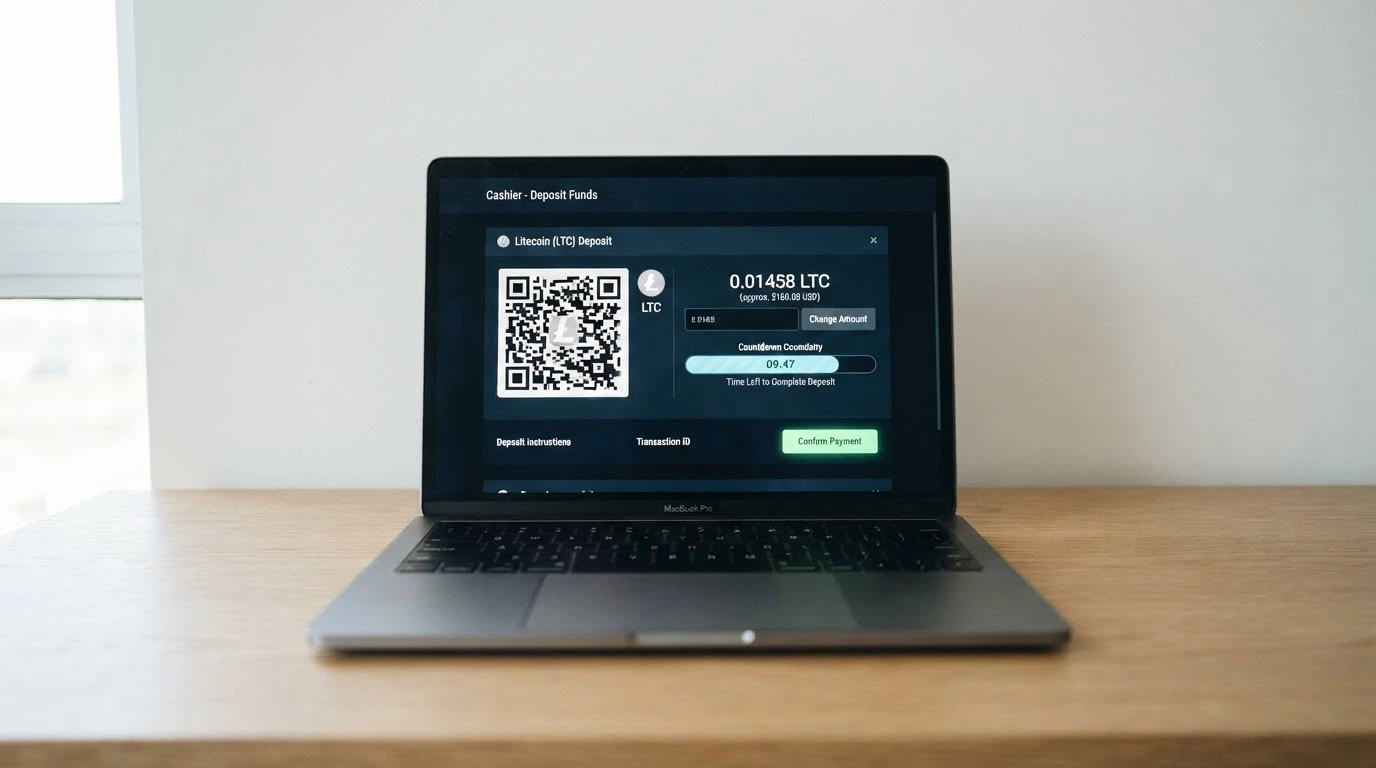
The speed that actually arrives at the player’s wallet is rarely a chain problem. A payout that takes hours rather than minutes is almost always a casino-side delay, and the dominant cause is incomplete KYC — the request that the player upload their passport, driver’s licence, or a recent utility bill hasn’t been met, so the payment team won’t release the funds. The second most common cause is a manual review queue that gets longer the busier the site gets, with no clear ETA for the customer waiting on the other end. The honest framing is this: when an operator blames “network congestion” for a delayed LTC payout, it is telling you something about its honesty rather than its technical reality.
A network-level comparison gives the speed advantage some further shape. PayID at licensed Australian wagering operators clears in under an hour — the fastest fiat option — but it still loses to crypto on the fee, on the offshore availability, and on identity disclosure. Bank transfers and BPAY sit out at one to three business days, sometimes longer. Litecoin sits at the front of the queue on every dimension a player cares about: speed, fee, and the casino’s willingness to take the deposit in the first place.
| Method | Confirmation Time | Typical Network Fee | Casino Processing Time |
|---|---|---|---|
| Litecoin (LTC) | 5–15 min | ~A$0.08 | 10–30 min after approval |
| Bitcoin (BTC) | 30–60 min | A$1–A$5 typical | Variable, often 1–24 hours |
| USDT (TRC20) | ~5 min | A$0–A$2 | 10 min at top operators |
| PayID (for licensed AU wagering only) | Under 1 hour | Free | Operator-dependent |
| Bank transfer / BPAY (licensed AU only) | 1–3 business days | Bank fees may apply | Operator-dependent |
Depositing With Litecoin: Minimums, Confirmations and What to Expect
Three numbers set the tone for a litecoin casino deposit at the featured operators. RocketPlay takes 0.315 LTC as its minimum, which translates to a roughly A$30 stake at recent LTC prices. Lucky Block accepts as little as 0.01 LTC — a fraction of the price of a cup of coffee — for the player who wants to test a new casino without committing meaningful capital. Rainbet sets its minimum in fiat at A$30, which translates to a similar LTC range to RocketPlay depending on the spot rate. Where the research doesn’t pin a specific LTC minimum, operators tend to display the amount in fiat and convert at checkout, so the LTC figure scales with what one LTC is worth that day.
The confirmation wait is where the patience test lives. A casino won’t credit a deposit until the transaction has reached a confirmation depth that makes reversal infeasible — typically one to three blocks. At 2.5 minutes per block, one confirmation is two and a half minutes; three confirmations is seven and a half; six is fifteen. Most casinos credit at one or three. The player should expect to see a pending transaction in their wallet, then a credited balance in their casino account. The two windows sometimes diverge by a few minutes because the casino’s backend polls the chain on its own schedule, but the gap is operational, not technical.
What the player does NOT need to do is anything more than copy the address and send. The deeper a player becomes with self-custody tooling — hardware wallets, manual fee setting, replace-by-fee — the smoother the experience. Anyone who already manages their own LTC keys will find litecoin casino deposits easier than any other online payment method they’ve used before.
Litecoin Withdrawals: Speed, Fees and the KYC Bottleneck
The mechanics of a litecoin withdrawal reverse the deposit path. The player requests a payout from the casino’s cashier, naming the destination LTC wallet address and the amount. The casino’s payment team reviews the request — sometimes automatically, often manually for the first withdrawal or any withdrawal above a threshold. Once approved, the casino broadcasts the transaction and the LTC settles on the chain. The 10-minute-to-half-hour window applies to the casino’s processing, not the chain confirmation itself.
The fee the player pays stays in the casino’s corner in most cases — most litecoin casinos absorb the network fee rather than deducting it from the withdrawal. Where research does show a player-paid fee, it sits in the cents per transaction range. The A$0.08 figure published from WestAce testing is representative: small enough to ignore if it were payable by the player, easy enough for the casino to absorb if not.
The bottleneck that catches players is KYC. The number one cause of withdrawal delays at any online casino is incomplete customer identification, and an offshore litecoin casino is no different from a licensed Australian bookmaker on that front — they just run their own rules. The “no KYC” promise that pulled the player to the casino in the first place stops the moment the system flags the withdrawal for review, and the ID request arrives by email with a deadline attached. The result is a withdrawal that looked like it would land in 30 minutes now sitting at the payment team’s desk waiting on a passport scan.
What Counts as Private: The Real Limits of Crypto Casino Anonymity
No-KYC signup at a litecoin casino is genuine, but the privacy it grants has a ceiling. The casino does not know who you are at the moment you deposit — the LTC settles to an address, the casino credits a balance to an account number, and the round trip from wallet to casino to wallet can happen without a name attached. That holds for as long as the casino’s policy or its regulator’s policy treats the player as low-risk, which at most of the offshore operators means until the player has withdrawn a cumulative total in the A$2,000 to A$5,000 range. Above that band, the soft verification kicks in: a polite email asking for a passport, a driver’s licence, a recent utility bill, and anything else the AML officer wants to see.
The hard triggers sit higher. AML policies at Curacao- and Anjouan-licensed operators typically set a review trigger in the EUR 2,000 to EUR 10,000 cumulative withdrawal band — that’s the moment the operator moves the account from passive monitoring to active review. A player who keeps withdrawals below the soft threshold can go a long time without ever uploading an ID, but the threshold is per-account and per-casino, and triggers tend to lower over time as AML regulators tighten the screws on offshore licensees.
The reader should treat “no KYC” as shorthand for “no KYC at low volumes, before any red flag triggers.” Above the threshold, the casino knows nothing about the player that an ID document doesn’t tell it. The privacy of litecoin as a cryptocurrency doesn’t buy a player anything past that line — the operator wants documents, not the chain.
How Provably Fair Verification Actually Works at a Litecoin Casino
Provably fair verification is the cryptographic answer to a question every casino player asks: how do I know this game isn’t rigged? The implementation varies by provider, but the underlying mechanic is the same. Before each round, the casino publishes a hashed version of a server seed — a long cryptographic string it has chosen but not yet revealed. The player’s browser or wallet also generates a client seed, and the two seeds combine with an incrementing nonce to determine the outcome. After the round, the casino reveals its server seed, and the player can hash it themselves to confirm it matches the pre-round commitment. If it does, no one could have known the outcome in advance — not the casino, not the player, not anyone watching the chain.
BGaming ships this verification built into every game that supports it; the casino player hits a “Provably Fair” tab and runs the check themselves without leaving the page. Stake Originals and Rainbet Originals both run on the same mechanic, and a handful of other providers (like Hacksaw, for some title categories) have built tools that surface the seeds.
What provably fair does not do is replace licensing. The certification proves the operator ran a random outcome through a verifiable algorithm; it does not prove the operator will pay out winnings, will not void a maximum-win clause, will not reverse a withdrawal. The cryptographic guarantee covers the spin; everything past the spin is contract, and the contract runs under the licence the operator holds.
Where KYC Thresholds Actually Sit: The Trigger Points
The soft verification threshold at offshore crypto casinos sits in a published band — A$2,000 to A$5,000 in cumulative lifetime withdrawals is the figure the broader market settles around. Below the band, the player can register, deposit, play, and withdraw repeatedly with little more than a wallet address on file. Above the band, the operator’s compliance officer opens the account file and starts asking for documents.
The AML review trigger sits one tier higher, typically in the EUR 2,000 to EUR 10,000 cumulative withdrawal range, depending on the licence jurisdiction and the operator’s own policy. The review is more thorough than a soft verification — source-of-funds questions, enhanced due diligence, sometimes a request for a bank statement or a payslip. Where the operator has a licence from a jurisdiction that answers to a stricter regulator, the thresholds sit lower; where the licence is more permissive, they sit higher.
Lucky Block’s pitch to the AU litecoin market hangs on this gap — 0.01 LTC minimum deposit with no KYC required to withdraw as a published claim on the brand’s terms. The promise is real at low volumes. A player who keeps withdrawals below Lucky Block’s own soft threshold won’t see the ID request at all. Past any threshold, the same offshore review process applies. The lesson: “no KYC” is the entry condition, not the steady state.
The Litecoin Casinos Australians Are Actually Using in 2026
The table below ranks the ten offshore litecoin casinos most relevant to Australian players in 2026, ordered by the depth of verified detail research carries for each. Operators with confirmed licence, welcome bonus, game providers, and litecoin acceptance sit at the top; the brands that appear in AU market-share data but didn’t surface validated specifics this round sit lower. Every brand listed is offshore, none holds an Australian licence, and none of them fits the legal definition of an “Australian casino.” A punter reviewing the table should read it as a snapshot of what’s available, not as an endorsement.
| Operator | Offshore Licence | Welcome Bonus | Game Providers |
|---|---|---|---|
| Stake | Curacao | Rakeback / VIP (no traditional welcome match) | Pragmatic Play, Hacksaw, Nolimit City, Push Gaming, BGaming, Evolution, Stake Originals |
| RocketPlay | Curacao | 100% up to A$1,000 + 100 FS (20/day for 5 days), x40 wagering | BGaming, Pragmatic Play, Gamzix, and others (1,000+ games) |
| Skycrown | Curacao | Specific terms not confirmed this run | Pragmatic Play, Evolution, Hacksaw, and others |
| FairGO | Curacao (Deckmedia N.V.) | Five-tier welcome totalling A$1,000 | RTG exclusively (280 games) |
| WinSpirit | Curacao | Up to A$2,000 + 100 FS across two deposits, x40 wagering | Pragmatic Play, NetEnt, Hacksaw, and others (3,000+ pokies) |
| Rainbet | Anjouan (ALSI-152406029-FI2) | Wager Lock (min A$30 / max qualifying A$700), 40x wagering | Hacksaw, Nolimit City, Rainbet Originals |
| Royal Reels | Not confirmed | Not confirmed this run | Not confirmed |
| Bizzo Casino | Curacao | 125% up to $2,500 + 125 FS | Not confirmed this run |
| Scream Casino | Not confirmed | Not confirmed | Not confirmed |
| Lucky Block | Not confirmed | 200% on first deposit | Not confirmed |
Stake
Stake.com is the crypto-native giant in this set, and it is structured differently from every other operator on the page. Where a Curacao-licensed traditional casino runs a 100% deposit match with a sticky wagering requirement, Stake runs rakeback and race promotions on top of a VIP ladder — the welcome offer isn’t a welcome offer at all in the conventional sense. The brand publishes a house-edge display on every game so the player can read the long-run return before placing a single cent. Stake’s stated 3.45% house edge on a sample slot title equates to a 96.55% RTP, which is the market standard.
The game library is the strongest part of the pitch. Pragmatic Play’s full suite sits alongside Hacksaw Gaming, Nolimit City, Push Gaming, BGaming, Evolution, and Stake’s own proprietary Originals. The Originals are the part of the library the player is most likely to verify through provably fair, and the brand’s transparency about it is genuinely above the curve. Litecoin is accepted as a deposit and withdrawal currency; the casino side handles it like any other crypto on the cashier.
Where Stake underperforms is on the structural terms a reader might expect from a “welcome bonus” operator. There isn’t one. The corollary is also worth naming: x40 wagering, max-cashout caps, wagering validity windows — none of these apply, because no deposit match is live to be cleared. A punter looking for the classic deposit-then-grind pattern won’t find it here; a punter who values rakeback over front-loaded bonuses will find lots to like.
RocketPlay
RocketPlay publishes the clearest welcome offer in the featured set, and the bonus is the headline. A 100% match up to A$1,000 on the first deposit, plus 100 free spins delivered at 20 per day for five days. The wagering multiplier is x40, applied to both the bonus amount and the free spins winnings separately — the way most wagering terms are written, meaning the player works two playthroughs in parallel rather than a combined figure.
The bonus specifics are tight but workable. Minimum deposit A$30 (LTC 0.315 at recent exchange rates), bonus validity 5 days, maximum bet while wagering A$7.50. The 5-day window is on the short side, and the A$7.50 max bet is a meaningful constraint on a high-volatility title where the max-bet instinct would be to push size; a player with A$1,000 of bonus bankroll clearing at x40 needs to play A$40,000 of turnover in 5 days — roughly A$5,000 of action per day, which is workable on a max-bet of A$7.50 but allows no margin for variance.
RocketPlay also runs a no-deposit 50 free spins package at $0.10 per spin, with 60x wagering on winnings and a $50 max cashout cap. The reader should treat this as a separate offer rather than a sweetener stacked onto the welcome — it can be tested without a deposit, but the max-cashout cap is the ceiling on what a no-deposit bonus free spin round can produce in real money.
The expected loss on RocketPlay’s headline bonus run, assuming only the bonus amount is wagered, is what the wagering grind statistically costs a player: A$1,000 of bonus × 40 = A$40,000 in required turnover, and at a representative 96.5% return on a Pragmatic Play pokie (the standard variant deployed by most operators), A$40,000 × (1 − 0.965) = A$1,400 in expected house edge across the clear. That is the bonus’s real cost: roughly 1.4 times the bonus value, before any of the free-spin winnings hit the calculation.
Skycrown
Skycrown is the multi-crypto hub in this set, and litecoin is one of ten or more coins the cashier supports alongside Cardano, Tether, Tron and the usual Bitcoin and Ethereum. The headline feature is withdrawal speed: crypto withdrawals process in approximately 10 minutes at Skycrown, with USDT TRC20 delivering the fastest result in published testing at 12 minutes for a Skycrown payout. Litecoin doesn’t quite match USDT TRC20 for raw speed but sits in the same neighbourhood.
Game providers include Pragmatic Play, Evolution, and Hacksaw — the same tier-one studios the fiat casino market uses, with a live dealer library powered by Evolution. The brand’s positioning is less about a single signature product and more about breadth: ten-plus cryptocurrencies, the major live dealer studio, and a slot lobby dominated by Pragmatic Play.
The welcome bonus was not surfaced in this round of research. A player considering Skycrown should check the current terms on the site directly, because Skycrown’s promotional page is what binds the actual offer — not anything carried in third-party reviews. The licence is Curacao. LTC is accepted. Terms that aren’t documented are terms the player should read before depositing.
FairGO
FairGO runs on RealTime Gaming exclusively — 280 games, all of them RTG, which is a smaller library than the other operators in the featured set but a consistent one. The casino is operated by Deckmedia N.V., holds a Curacao licence, and accepts litecoin alongside Bitcoin and Ethereum. The welcome package is a five-tier structure totalling A$1,000, distributed across the first five deposits — a structure that’s harder to clear than a single-match bonus because each tier carries its own turnover.
The casino’s withdrawal terms are: crypto payouts process in 15–45 minutes during business hours, with a A$100 minimum. The minimum is meaningful — a player with a sub-A$100 balance wins at the games but can’t withdraw it until it crosses the threshold, and the casino effectively keeps the surplus in play.
The standout term is the no-deposit free spins offer, which is the most clearly documented in the featured set. 100 free spins on Sparkling Fortunes at $0.10 per spin, 60x wagering on winnings, $180 max cashout, 7-day validity. A reader who wants to test a casino without committing LTC should read those terms the way they read a contract: the $180 ceiling is what the free spins are worth in real money at best, and the 60x playthrough on $18 of spin value ($1,080 in turnover) is the grind required to reach it.
WinSpirit
WinSpirit runs the biggest welcome headline in the set: up to A$2,000 plus 100 free spins across two deposits — 100% up to A$1,000 + 100 FS on deposit one, 200% up to A$1,000 on deposit two. The wagering multiplier is x40 on the bonus amount, and the maximum win limit is A$3,000 — a ceiling that is the single most material term in the package, because it caps the upside on a bonus that nominally promises four times the maximum win of competitor offers. The 3,000+ pokie library includes Pragmatic Play, NetEnt, and Hacksaw Gaming.
The validity window is where the warning lives. Two sources surfaced two different validity windows for WinSpirit — 7 days on one, 30 days on the other. The reader should treat the current published terms on the site as authoritative, because the published terms are what bind a real customer and what govern whether the player can withdraw anything at all. Conflicting public information is itself a reason to read carefully.
LTC is accepted. The minimum deposit is A$30, and the operator is Curacao-licensed. For a reader considering WinSpirit against a smaller welcome bonus without an A$3,000 win ceiling — RocketPlay, for example — the comparison is between headline size and ceiling size, and the player should run it before committing.
Rainbet
Rainbet sits in the set as the Anjouan-licensed outlier, and the structure of its bonus reflects that. The operator’s “Wager Lock” promotion is a min A$30 deposit and a max qualifying A$700 deposit — meaning anything a player deposits above A$700 doesn’t contribute to the wagering requirement. The 40x wagering multiplier applies to the promotional balance, not the full deposit, which on balance terms the offer better at the A$30 floor than at the A$700 ceiling. Game library includes Hacksaw, Nolimit City, and the brand’s own Rainbet Originals — the provably fair category the brand has built its reputation on.
The headline exclusion worth flagging is the RTP cutoff: games above 97.4% RTP are excluded from bonus play. The pragmatic effect is that a player with the wagering grind ahead of them can’t reach for the highest-RTP titles in the lobby to clear it — which is exactly the titles a savvy player would normally pick to keep the house edge as low as possible. The point is to direct wagering to the games with the operator’s preferred mathematics.
Rainbet’s minimum withdrawal sits at $15 — the lowest in the featured set by a clear margin, which matters for a player working through a small bonus balance. The licence is ALSI-152406029-FI2, issued by Anjouan. The brand’s appeal sits in a clean structure and a lighter library than the multi-thousand-pokie competitors, with the provably fair Rainbet Originals as the differentiator.
Bizzo Casino
Bizzo’s welcome offer reads 125% up to $2,500 plus 125 free spins — a competitive headline at the upper end of the published bonus sizes in the featured set. The licence is Curacao, the brand is established in the AU market, and crypto support is part of the brand pitch.
What’s missing from research this round is the detail that gives the offer its true value. Wagering multiplier, bonus validity, max cashout, and litecoin specifics were not independently verified in this review. A player considering Bizzo should look up the current published terms on the site directly and check the cashier for the LTC deposit flow before assuming the offer is comparable to better-documented competitors. The reader should always compare headline bonus percentages against the wagering requirements and validity windows before committing.
Lucky Block
Lucky Block is the lowest-friction brand in the set. Minimum deposit 0.01 LTC — small enough that the LTC equivalent of a coin toss on the exchange would clear it. No KYC required to withdraw, at least at low volumes, by the operator’s own claim. 200% welcome bonus on first deposit as the headline figure, with the player testing the casino well below the soft verification threshold without producing documents.
What’s missing here is the corroborating detail. Licensing jurisdiction, game providers, wagering multiplier, and bonus validity were not surfaced this round, so the offer’s real value is unclear from research alone. “200%” reads large on a banner, but the comparison that matters is 200% against what wagering multiplier, what ceiling, what validity. The reader should consider Lucky Block as a low-barrier entry option and confirm the terms before committing meaningful LTC.
Royal Reels
Royal Reels earns its place on the page through AU market presence, not through independently verified litecoin details. The brand appears in the Australian market-share data as a casino operator, and Australian players are searching for it in the litecoin context. The licence, bonus, game provider list, LTC acceptance, wagering multiplier, and validity window are all unconfirmed this round.
A player considering Royal Reels is essentially taking the brand’s own published terms on trust. The brand may deliver a competitive experience against the documented competitors; the brand may also be running terms that wouldn’t have made the cut if they’d been independently verified. The honest framing for the reader: this listing exists because AU players search for the brand, not because its terms were confirmed in this review. Verify directly.
Scream Casino
Scream Casino is the least-documented brand in the featured set, included for completeness because AU market data registers it. Everything beyond inclusion — licence, bonus, game providers, LTC acceptance — was not surfaced in research this round and should be verified directly with the brand before any AU punter deposits LTC.
Pokies You Can Play With Litecoin — and the RTP Figures That Matter
Australian players searching for a casino experience are almost always searching for pokies — the slang-locked term for slot machines both online and in the front bar. The litecoin casino lobbies deliver that, and they deliver it at a scale that licensed Australian operators cannot match: WinSpirit advertises 3,000+ pokies, RocketPlay runs over 1,000, and Stake’s library runs across every major provider without a fixed count attached.
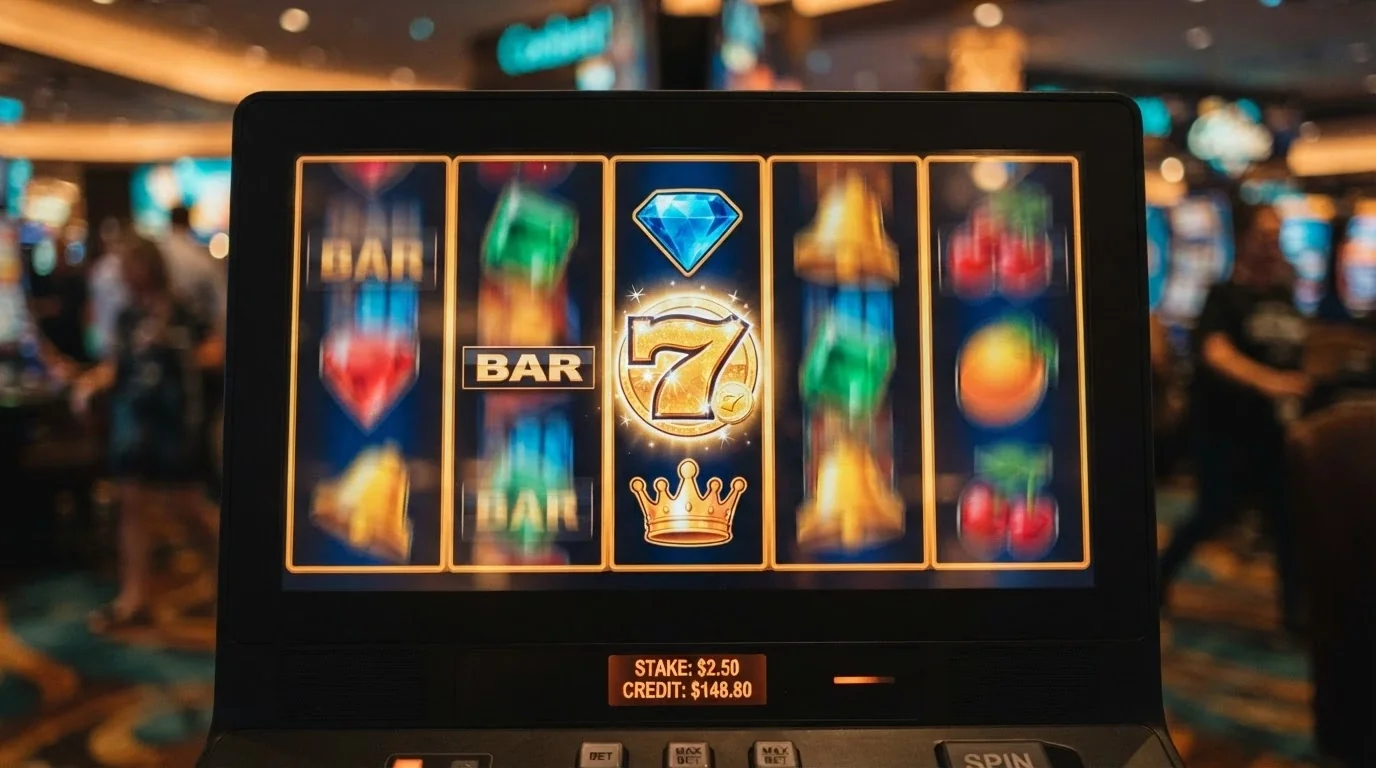
The provider mix favours Pragmatic Play across most of the featured operators. Pragmatic is also where the version trap lives — the publisher offers four RTP variants per title (96.5%, 95.5%, 94.0%, 88.0%) and lets the operator pick which one to deploy. The chosen variant isn’t always published on the slot page itself; some operators surface it, some bury it in the help section, some don’t publish at all. A pokie running at 96.5% in one casino can run at 88.0% in the next, and the math on bonus clearing moves with it. BGaming takes the opposite approach — single-RTP variants at 96.5% by default, with provably fair verification built in — which gives the player a fixed number to plan around.
Australian Pokies That Take Litecoin: What the Game Library Actually Looks Like
An AU punter opening a litecoin casino lobby sees the standard offshore label “slots” rather than the native Australian “pokies,” but the games underneath are the same titles the AU market has spent decades playing. Pragmatic Play dominates the cross-casino presence: FairGO’s 280 RTG titles aside, every featured operator carries the Pragmatic range, and that’s where Sweet Bonanza, Big Bass Bonanza, Gates of Olympus and the rest of the publisher’s AU-favourite lineup sits.
Hacksaw Gaming appears across the higher-end operators — RocketPlay, WinSpirit, Rainbet, Stake. Nolimit City rounds out the risk-friendly cluster with its high-volatility titles; the brands that feature Nolimit tend to be the ones targeting the player who wants extreme variance. NetEnt appears at WinSpirit, and the legacy NetEnt titles like the high-RTP Mega Joker and Blood Suckers surface there. Where a casino has gone proprietary, the in-house studio fills the gap — Stake Originals and Rainbet Originals both run provably fair mechanics that traditional third-party providers don’t.
RTP and Volatility: The Slot Numbers That Change Your Return
The slot table below carries the titles where research pinned a verified per-title RTP, volatility, and max win. Most of them are Pragmatic Play; the high-RTP NetEnt classics appear at the bottom where research confirms them. Where the title has a confirmed figure but research doesn’t pin all three columns, the missing column carries an em dash — the honest answer is that the figure is genuinely not known, not that the casino is hiding something it would prefer to publish.
| Slot Title | RTP | Volatility | Max Win | Provider |
|---|---|---|---|---|
| Sweet Bonanza | 96.51% | High | 21,175x | Pragmatic Play |
| Gates of Olympus | 96.50% | High | 5,000x | Pragmatic Play |
| Gates of Olympus 1000 | 96.50% | Extreme | 25,000x | Pragmatic Play |
| Le Prechaun | 96.28% | Medium | 15,000x | Hacksaw Gaming |
| Big Bass Bonanza | 96.71% | Medium | 4,000x | Pragmatic Play |
| Mega Joker | 99% | — | — | NetEnt |
| Blood Suckers | 98% | — | — | NetEnt |
Two Pragmatic Play titles — Peking Luck (180,000x max win, very high volatility) and Sugar Rush 1000 (15,000x max win, extreme volatility) — appear in the data without confirmed RTP figures. The reader should treat max-win numbers as ceiling values rather than expected outcomes; an extreme-volatility title with a 25,000x ceiling produces that ceiling with statistical rarity measured in one-per-many-millions of spins. The RTP for those titles would have made the table if research carried it.
Live Dealer Tables That Take Litecoin: Blackjack, Roulette and Beyond
Litecoin casino players who want a live dealer experience find one at most of the featured operators, and the studios they stream from are the same Evolution and Pragmatic Play Live studios the fiat casinos use. The product is identical to a fiat experience; the difference is the cashier. Evolution appears on Stake and Skycrown, Pragmatic Play runs its own live studio that surfaces across the cross-Pragmatic providers, and the smaller studios fill in the gaps.
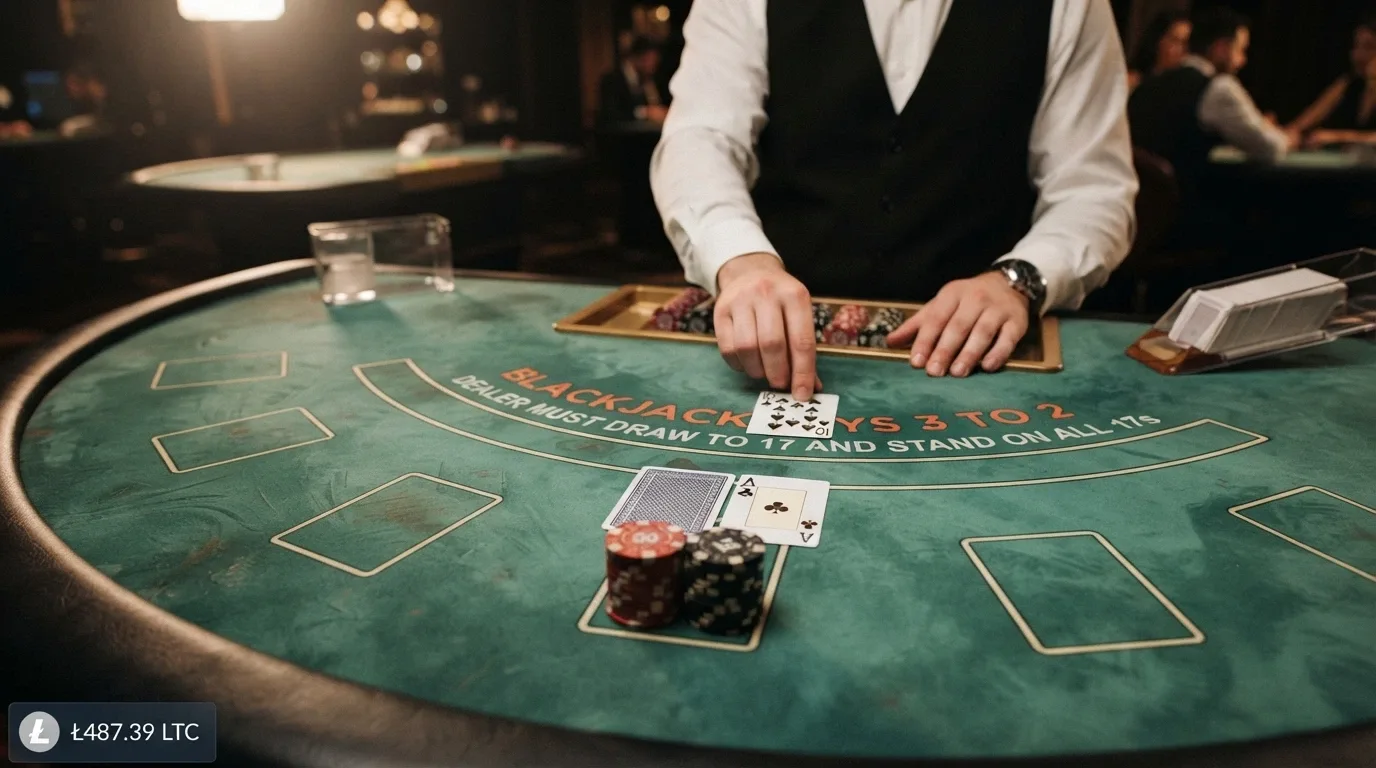
The games on offer across the live dealer set are the standard table classics — blackjack, roulette, baccarat, with game show variants on a few providers. The brand-level coverage is patchy: research confirms Evolution at Stake and Skycrown, and Pragmatic Play Live at the operators carrying Pragmatic’s slot catalogue, but per-operator live dealer confirmation isn’t published for every featured brand. A player who wants Evolution specifically needs to check the cashier’s live dealer tab before signing up.
Live Dealer vs RNG Table Games: What the Difference Means for a Litecoin Player
The comparison between live dealer and RNG tables turns on what a player is trying to verify. A live dealer stream is overseen by a human dealer in a real studio, with outcome determined by physical cards or a physical wheel — there is no randomness to prove mathematically because the randomness is mechanical. RNG tables, by contrast, generate outcomes from a software algorithm, and the algorithm either is or isn’t verifiably fair to the player.
The provably fair category is the part of an RNG lobby that gives the litecoin casino player something live dealer cannot: independent cryptographic verification of every spin. Stake’s home-edge display reveals the long-run return on each game before play, Stake Originals and Rainbet Originals offer full provably fair verification on round outcomes, and BGaming builds the same verification into its RNG titles. Live dealer doesn’t compete on this axis. The trade is between the trust mechanic of a live stream — watch the dealer, watch the wheel — and the trust mechanic of a hash check — verify the algorithm, verify the seed.
House edge tells the same story both ways. Standard blackjack with basic strategy sits close to 0.5% against the player, European roulette sits at 2.7% on the single zero, and American roulette at 5.27% on the double zero. Live dealer doesn’t change those numbers; it lets a player watch the math in real time. RNG table games hold to the same mathematics, but provably fair lets the player verify that the published numbers are what actually ran.
Litecoin Casinos on Your Phone: What Mobile Play Actually Delivers
Mobile litecoin play is the rule rather than the exception at the offshore casinos Australians use — almost every featured operator runs in a mobile browser without requiring any download. The HTML5 instant-play interface is the standard: the player opens Chrome or Safari on their phone, signs in, deposits LTC from their mobile wallet, and plays the same games they’d see on desktop.
What that experience strips out depends on what the casino has built. Some operators drop low-traffic table games on the smaller screen; some keep the full library visible but shrink navigation. Live dealer streaming over a flaky mobile network is the place where the browser experience suffers most — the stream hiccups, the bet timing slips, and a player makes decisions in a degraded state. Wi-Fi fixes most of it.
Instant-Play Browser vs Downloadable Casino Apps
The dedicated app question is where the AU player runs into App Store and Google Play policy. Real-money casino apps are not available through these stores in Australia, and most actively enforce policies against them. The featured operators accordingly don’t typically offer a native iOS or Android app — no featured operator was confirmed as offering one in this round of research.
The alternative players encounter is the sideloaded APK, a direct download from the operator’s site that bypasses the app store review. The friction is real: Android requires the user to enable installation from unknown sources, iOS requires either a developer profile or a sideloading tool. The benefit, where it’s offered, is a smoother mobile interface and a faster login. For most AU litecoin players, the browser experience is good enough that the sideload effort isn’t worth the modest improvement, and that’s why the instant-play browser is the dominant pattern across the featured set.
New Litecoin Casinos Worth a Look in 2026
The “new litecoin casino” search reflects a market that turns over faster than the licensed Australian market does — operators appear, run promotions for a year or two, get a reputation through affiliate channels, and sometimes disappear when the AML pressure or the payment flow dries up. A new entrant isn’t necessarily better than an established player; it’s necessarily less tested.
The featured set above already spans the freshness range Australian players actually search for. Stake is established; Rainbet is the relatively recent entrant with a different licence and a different bonus model; Lucky Block is the low-friction entry. A player looking for something the table doesn’t cover should expect to find more candidates through the affiliate channels that surface these brands — but should also expect to find fewer withdrawal histories, fewer user reports, and less track record to lean on before depositing. The fairer test is to treat a new litecoin casino like an offshore operator with no consumer protection: deposit small, withdraw small, confirm the cashout actually arrives before committing meaningful LTC.
The Offshore Reality: What Australian Law Actually Says About Litecoin Casinos
The Interactive Gambling Act 2001 is the foundation, and the facts it lays out are unambiguous. Providing online casino games, online pokies, or in-play sports betting to a person in Australia is a criminal offence — and there’s no licence anywhere in Australia for that product to be issued under. The Interactive Gambling Amendment Act 2017 strengthened the prohibition; the Interactive Gambling Amendment (Credit and Other Measures) Act 2023 banned credit cards and digital currency as payment methods for licensed online wagering from 11 June 2024. Three statutes, all pointing the same way: there is no legal Australian path for a casino to accept litecoin from an Australian player.
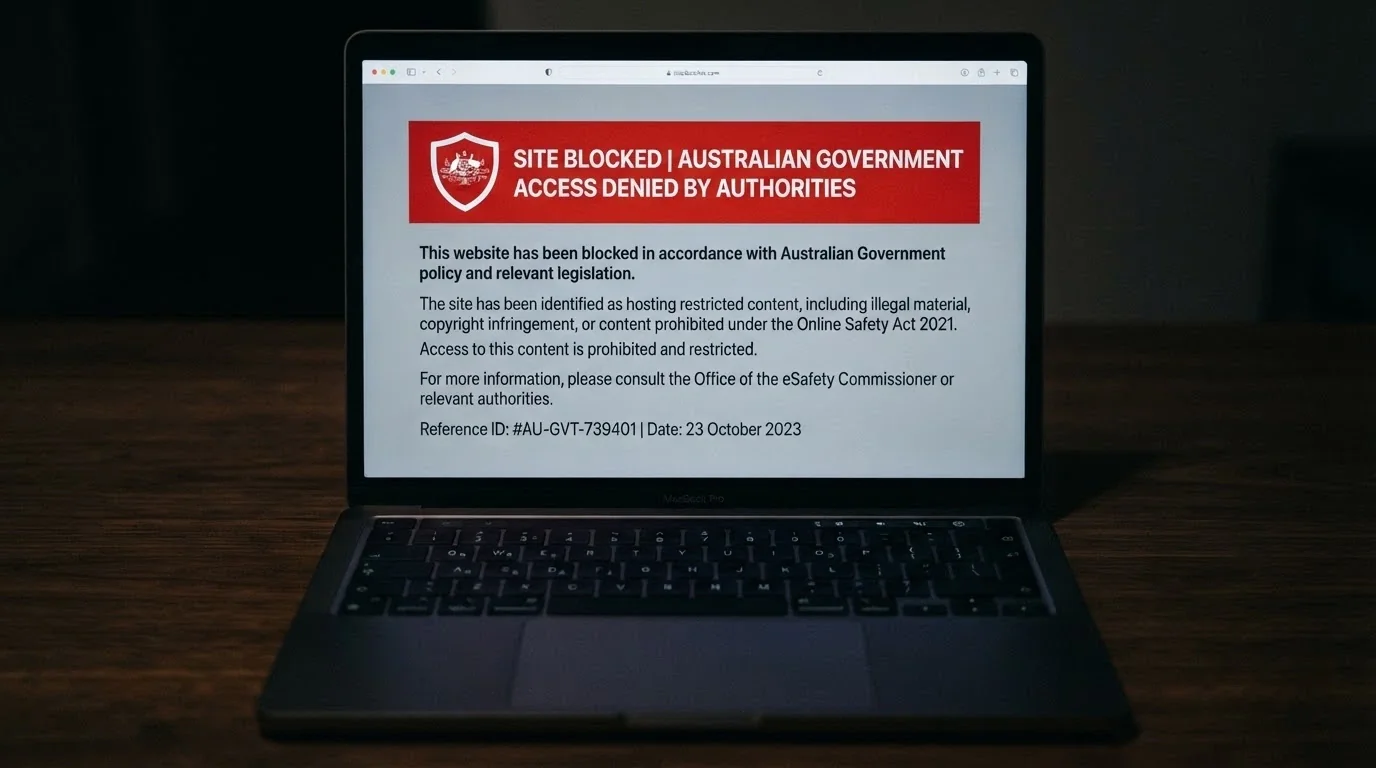
The Interactive Gambling Amendment (Gambling Reform) Bill 2026, passed by Parliament on 19 August 2026 and commencing 1 January 2027, layers further restrictions on top. From that date, banks and payment providers gain express authority to block transactions to illegal gambling operators — meaning an Australian bank can decline a payment that routes to an offshore casino, and the individual customer’s transaction simply won’t process.
Why Every Litecoin Casino an Australian Uses Is Offshore
The reason an Australian player can find a litecoin casino at all is the legal prohibition, not the technology. The tax treatment of casinos as exotic rather than licensed means the offshore casino exists — and the crypto payment ban for licensed wagering means no licensed Australian operator could have accepted LTC even if Australia had licensed online casinos, which it doesn’t. Every litecoin casino an Australian punter deposits with operates outside the country’s regulatory perimeter by necessity as well as by design.
What Australian law does license is wagering on races and sport placed before the event begins, lotteries, and keno. The Northern Territory Racing and Wagering Commission, administered through Licensing NT, is the de facto national online wagering licensor. Sportsbet, bet365, Ladbrokes — the familiar brands of Australian wagering — hold NT licences. None of them offers casino games; none of them accepts cryptocurrency. A player crossing from those brands to a litecoin casino has crossed out of the regulated system permanently, regardless of what the operator’s marketing says.
What Australian Players Lose by Playing Outside the Licensed System
The most concrete loss is BetStop. The National Self-Exclusion Register went live in August 2023 and has 67,480 registrations with 41,290 still active as of 31 July 2026. 78% of registrants were under 40, and 38% chose lifetime exclusion. A single registration excludes a person from every Australian-licensed wagering service in one step. An offshore casino is outside the register’s reach — the exclusion doesn’t bind it, the punter’s deposits keep flowing, and the harm-reduction intention of the exclusion collapses at the offshore boundary.
The consumer protection overlay is gone in the same transaction. No Australian complaints body has jurisdiction over a Curacao or Anjouan licensee. The ACMA can investigate the operator, can issue penalties of up to $247,500 per breach, can direct ISPs to block the site — and none of those actions puts money back in the punter’s account if the operator refuses a withdrawal. ACMA enforcement doesn’t equal a payout guarantee; the regulator signals bad operators to the industry, but the industry’s compliance officers are not the punter’s collection agency.
From 1 January 2027, banks and payment providers can block transactions to illegal gambling operators — meaning the bank side of a deposit may stop processing before the casino ever sees it. The punter’s money doesn’t reach the offshore operator; it bounces at the Australian bank. For a punter with a live balance at a casino at the time a blocking order lands, the result is more serious: the Australian ISP may render the site unreachable while a withdrawal is still pending, and the customer has no recourse through Australian channels.
Playing Safe When the Safety Net Is Offshore: Responsible Gambling for Litecoin Players
The numbers make the warning concrete. About 2.1% of Australian adults — roughly 430,000 people — experience problem gambling, and the Australian Institute of Health and Welfare put high-risk gambling at 1.8% in 2022. That’s the population pool an AU-focused litecoin casino page is addressing, and the warning belongs close to the workings of the offers described above.
The harm-reduction tools that still apply regardless of where the casino is licensed are the universal ones. The National Gambling Helpline, 1800 858 858, runs 24/7, free and confidential. Gambling Help Online (gamblinghelponline.org.au) provides online chat and counselling alongside the phone line. BetStop will exclude a person from Australian-licensed wagering services in one registration, and the reader should know its limitation rather than discover it at the moment they need it most.
The offshore operator’s own responsible gambling tools are a partial substitute at best. Some offshore casinos offer deposit limits, session limits, cooling-off periods and self-exclusion; some don’t. None of them are connected to BetStop, and a self-excluded punter who hasn’t checked the operator’s own tools can still deposit. The reader should treat any responsible gambling tool an offshore casino offers as a courtesy rather than a guarantee.
Help Resources That Actually Work for Australian Players
- National Gambling Helpline — 1800 858 858. Free, confidential, staffed 24 hours a day.
- Gambling Help Online — gamblinghelponline.org.au. Online chat and professional counselling.
- BetStop — National Self-Exclusion Register at betstop.gov.au. One registration excludes the player from every Australian-licensed wagering service. Offshore casinos are not covered; an exclusion that stops at a Curacao or Anjouan licensee stops where the licensed system stops.
- Your GP — the front door for any Australian worried about their own gambling or someone else’s. Clinical assessment and referral pathways start with a regular doctor.
How We Selected and Ranked the Litecoin Casinos on This Page
The operators on this page were drawn from two sources: Australian search demand for litecoin casino reviews, and the set of brands that surface as casino operators in AU market-share data. The ten brands ranked above are the result. The ranking criteria applied to each operator were the same and ordered by depth of verifiable evidence: confirmed licence jurisdiction, published welcome bonus with stated wagering multiplier, confirmed litecoin acceptance in the cashier, and confirmed game provider list. Operators with all four data points documented in research sit at the top of the table; operators appearing in AU market presence without independently verified details sit lower.
The cross-check against the ACMA public register informed the licence column — every featured operator sits outside Australian licensing by definition, and the jurisdictions shown are the ones the operator’s own terms page declares. Specific promotional figures were verified against the operator’s terms pages and against affiliate databases tracking the same offer. The comparator articles across the top Google results rank between 5 and 10 operators; this page’s 10 sits within the same band.
What the ranking does not measure is first-hand deposit testing. No LTC was deposited with any of the featured operators as part of this research; the 18-minute WestAce withdrawal figure and the 12-minute SkyCrown USDT TRC20 figure come from third-party testing that other outlets have published. Legal interpretation is descriptive only — the IGA, the ACMA enforcement record, and the ATO tax position are stated as they appear in the underlying statute and case law, not as legal advice to a specific reader’s circumstance.
Should You Play at a Litecoin Casino From Australia? The Honest Verdict
The case for playing at a litecoin casino from Australia is real, and the case against is equally real. The genuine upside is speed — A$0.08 in network fees and an 18-minute withdrawal wall clock, against a three-day bank transfer at the licensed Australian end. The genuine upside is also the privacy of low-volume play, where no-KYC signup is the entry condition and an A$2,000-to-A$5,000 lifetime withdrawal threshold sits in the middle distance rather than the doorway. The genuine upside is provably fair — Stake Originals, Rainbet Originals, BGaming built-ins — where the player can run the cryptographic check themselves rather than trust a regulatory audit report they can’t read.
The irreducible downside is the BetStop gap. An Australian punter who registers with BetStop to manage a problem gets excluded from Australian-licensed wagering services in one step, and the offshore litecoin casino they’re already playing at doesn’t see the exclusion. The punter’s money keeps flowing to the offshore brand. That’s the most concrete way the offshore route costs an Australian gambler something, and the calculus for a reader weighing it is personal rather than general. The helpline is the universal starting point — 1800 858 858, free, confidential, 24/7 — and the offshore ceiling on what tools apply is the lens to view everything else through.
The pros and cons don’t balance to zero — the IGA provision prohibits the offshore operator’s behaviour, not the player’s. The ACMA doesn’t prosecute individual Australian players; it prosecutes the providers. That protects a player from criminal exposure but not from the consumer-protection exposure that follows. An AU player comparing litecoin casino play against waiting for a fully regulated market is making a private bet that the speed and the entry conditions are worth the protections they give up. The honest verdict is that this is the reader’s calculation, not the page’s, and the resources above are what make either choice a safer one than going in blind.
Frequently Asked Questions
Are litecoin casino winnings taxable in Australia?
For an ordinary punter, no. Betting and gambling winnings are not assessable income under section 6-5 of the ITAA 1997, and gambling losses are not deductible under section 8-1, unless the person is carrying on a business of betting or gambling. The Australian Taxation Office has not assessed the winnings of an ordinary punter as income, and no Australian case has held otherwise. Where a player is running a professional gambling operation, the analysis changes; this answer is for the casual consumer.
Can I use BetStop to self-exclude from litecoin casinos?
No. BetStop binds Australian-licensed wagering services only — the national self-exclusion register connected to ACMA-recognised sportsbooks, racing operators and the licensed lottery and keno products. An offshore litecoin casino is not part of that system and will continue accepting deposits from a self-excluded person. The only reliable path to keeping funds away from an offshore casino is the player’s own actions — discipline, blocking software, and the responsible gambling tools the casino itself (if it offers any) provides.
How does litecoin compare to bitcoin for casino deposits and withdrawals?
Litecoin confirms in roughly 2.5 minutes per block against Bitcoin’s 10, which cuts deposit confirmation from half an hour to a few minutes. A typical litecoin casino deposit reaches confirmable depth in 5 to 15 minutes against Bitcoin’s 30 to 60 for the same security. Withdrawal fees are usually a fraction of a cent worth of LTC for litecoin against several dollars for bitcoin at typical mempool conditions; if the casino is absorbing the fee rather than passing it through, both cost the player nothing directly. The only meaningful advantage Bitcoin holds is brand recognition — broader acceptance across the operator set — and that’s narrowing as litecoin casino acceptance spreads.
What happens if an offshore litecoin casino refuses to pay my winnings?
There is no Australian consumer protection or complaints body that can recover funds held by an offshore operator — the ACMA can investigate the operator’s conduct but cannot compel a payout, and the licence jurisdiction’s own dispute process is the only recourse available. A player’s practical recovery path runs through the operator’s payment team, the operator’s licence jurisdiction’s regulator (Curacao’s GCB, Anjouan’s regulator), and ultimately the public pressure of complaint aggregators where reviewers document unresolved withdrawals. The structural fact is this: offshore play means dispute resolution runs in a foreign legal system at foreign legal cost against a foreign operator, and the warning a player should hear is that this is the system they’re playing in.
Are litecoin casinos provably fair?
Some are, where specific games use the provably fair mechanic. BGaming builds it into its RNG titles by default; Stake Originals and Rainbet Originals both run on it for the proprietary table and slot content. A casino using those providers publishes the server seed hash before each round and reveals the seed after, letting the player verify the round outcome matches the published commitment. A coin flip on a casino’s headline “provably fair” claim is whether the claim is implemented on the games the player is actually playing and whether the implementation is verifiable end-to-end. Most third-party slots and all live dealer games do not run on the provably fair mechanic and rely on testing lab certification instead.
Do I need to provide ID to play at a litecoin casino in Australia?
At signup and on the first deposit, no. Most featured operators allow account creation and play without a passport, driver’s licence, or address verification at the start. The limit that applies is the operator’s AML policy: soft verification typically triggers at around A$2,000 to A$5,000 in cumulative lifetime withdrawals, and the higher AML review trigger at EUR 2,000 to EUR 10,000, depending on the licence jurisdiction. Below those thresholds, low-volume play is genuinely ID-free. Above them, the ID request arrives — and the casino won’t release the withdrawal until the documents are produced.